

A garden landscaping company plays a crucial role in creating sustainable and visually appealing outdoor spaces, and one of the most important aspects of this process is selecting the right plants for different climate conditions. Plants that thrive in one environment may struggle or fail in another, so professional landscapers must carefully evaluate temperature, rainfall, soil type, humidity, and seasonal variations before making planting decisions. By combining horticultural knowledge with regional environmental analysis, a garden landscaping company ensures that every plant used in a project can grow healthily and maintain its decorative value over time. This not only improves garden aesthetics but also reduces long-term maintenance costs and plant replacement needs.
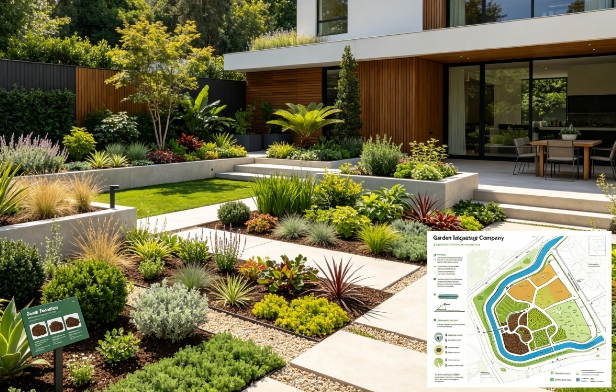
Climate Analysis and Environmental Assessment
Before selecting any plants, a garden landscaping company begins with a detailed analysis of the local climate and environmental conditions.
- Temperature range evaluation: Understanding seasonal highs and lows helps determine whether plants can survive heatwaves or frost conditions.
- Rainfall and humidity assessment: Different plants require different moisture levels, so rainfall patterns and humidity levels are carefully studied.
- Sunlight exposure mapping: Landscapers analyze how sunlight moves across the site to identify shaded and fully exposed areas.
- Wind and microclimate considerations: Strong winds or sheltered zones can significantly affect plant health and growth patterns.
Through this detailed environmental study, a garden landscaping company establishes a strong foundation for selecting climate-appropriate plant species.
Selection of Climate-Adapted Plant Species
Once environmental conditions are understood, the next step is choosing plants that naturally adapt to those conditions.
- Native plant prioritization: Native species are often the best choice because they are already adapted to local climate and soil conditions.
- Drought-tolerant plants for dry regions: In areas with limited rainfall, plants such as succulents or ornamental grasses are preferred.
- Cold-resistant varieties for colder climates: In regions with harsh winters, frost-tolerant shrubs and evergreen plants are selected.
- Humidity-friendly plants for tropical areas: High-moisture environments require plants that thrive in warm and humid conditions.
A professional garden landscaping company carefully matches plant biology with environmental realities to ensure long-term survival and stability.
Soil Compatibility and Ground Condition Evaluation
Soil type is another critical factor that directly influences plant selection in different climate zones.
- Soil texture analysis: Sandy, clay, or loamy soils affect water retention and nutrient availability differently.
- pH level testing: Some plants require acidic soil, while others grow better in alkaline or neutral conditions.
- Drainage capability assessment: Poor drainage can cause root rot, so plants must be matched with suitable soil conditions.
- Soil improvement planning: If natural soil is unsuitable, amendments such as organic matter or sand may be added to improve compatibility.
By evaluating soil conditions, a garden landscaping company ensures plants have the right foundation for healthy growth.
Functional Plant Grouping and Landscape Design Strategy
Beyond climate and soil, professional landscapers also consider how plants interact within the overall garden design.
- Layered planting structure: Trees, shrubs, and ground covers are combined to create a natural ecological balance.
- Water requirement grouping: Plants with similar irrigation needs are placed together for efficient water management.
- Seasonal visual planning: Different plants are selected to ensure year-round color and texture variation.
- Microclimate creation within gardens: Taller plants may be used to provide shade and protection for more sensitive species.
This design approach allows a garden landscaping company to create stable and visually dynamic landscapes across different climate conditions.
Long-Term Maintenance and Climate Adaptation Strategies
Even after planting, ongoing care strategies are essential to ensure plants continue to thrive in their environment.
- Seasonal maintenance adjustments: Watering, pruning, and fertilization schedules are adjusted according to seasonal changes.
- Climate stress monitoring: Plants are regularly checked for signs of heat stress, frost damage, or dehydration.
- Adaptive replacement planning: If certain species fail to adapt, they may be replaced with more suitable alternatives.
- Sustainable irrigation systems: Efficient watering systems help support plants during extreme weather conditions.
A professional garden landscaping company ensures that gardens remain adaptable and resilient despite changing environmental conditions.
Conclusion
A garden landscaping company selects the right plants for different climates by carefully analyzing environmental conditions, evaluating soil compatibility, choosing climate-adapted species, and applying strategic landscape design principles. Through detailed planning and ongoing maintenance strategies, landscapers ensure that plants not only survive but thrive in their specific environments. This scientific and design-driven approach results in sustainable, low-maintenance, and visually appealing gardens that remain healthy and attractive throughout all seasons and climate variations.