

The ligustrum tree is a popular ornamental plant widely used for hedges, privacy screens, and decorative landscaping because of its fast growth and dense foliage. Although this plant is known for being adaptable and relatively easy to maintain, soil conditions still play a major role in determining how healthy, attractive, and vigorous it becomes over time. Proper soil structure, drainage, nutrient balance, and moisture management all contribute to stronger root systems and better overall growth. Understanding the ideal soil conditions for privet trees helps gardening enthusiasts create healthier landscapes and avoid common growth issues.
Importance of Well-Drained Soil for Root Health
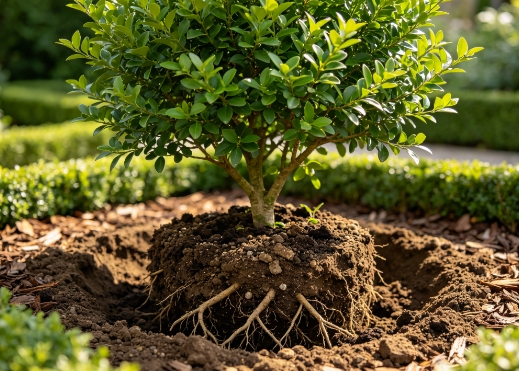
One of the most important soil requirements for a ligustrum tree is good drainage. While the plant tolerates various soil types, excessive water retention can damage roots and weaken long-term growth.
- Prevents root rot problems
When soil remains overly wet for long periods, oxygen levels around the roots decrease. This creates favorable conditions for fungal diseases and root decay, which can seriously affect plant health. - Encourages stronger root expansion
Well-drained soil allows roots to spread more easily in search of nutrients and moisture. A healthy root system supports faster growth and denser foliage production. - Reduces standing water after rainfall
In compacted or poorly drained areas, water may accumulate around the plant base. Proper drainage prevents this issue and protects the roots from long-term moisture stress. - Supports better nutrient absorption
Proper soil moisture balance supports effective nutrient movement within the root zone, helping the privet tree sustain strong and healthy growth.
Ideal Soil Types for Ligustrum Tree Growth
The ligustrum tree is adaptable to several soil compositions, but some soil types support healthier and faster growth than others.
Loamy Soil
Loamy soil is often considered the best option because it balances moisture retention with drainage.
- It contains a healthy mixture of sand, silt, and organic matter.
- Nutrients remain available without causing excessive compaction.
- Roots can expand more freely due to the loose structure.
Sandy Soil
Sandy soil can also support healthy growth if managed correctly.
- Rapid drainage reduces the risk of root rot.
- Soil warms up faster during spring, encouraging active growth.
- Organic compost may be added to improve nutrient retention.
Clay-Based Soil
Although more challenging, clay soil can still work under proper conditions.
- Drainage improvement is essential before planting.
- Mixing compost or coarse material helps loosen the soil.
- Raised planting beds help alleviate waterlogging problems.
Soil pH and Nutrient Balance Requirements
The pH level and nutrient content of the soil strongly influence how effectively a ligustrum tree absorbs minerals and maintains healthy foliage.
- A slightly acidic to neutral pH is ideal
The plant generally performs best in soil with a pH range between 6.0 and 7.5. This range allows nutrients to remain available for root absorption. - Balanced nutrients encourage vigorous growth
Nitrogen supports leaf production, phosphorus strengthens roots, and potassium improves overall plant resilience. Using a balanced fertilizer helps maintain steady growth and supports overall plant health and development. - Organic matter improves soil quality
Compost and natural mulch increase nutrient availability while also improving moisture retention and soil structure. - Avoid excessive fertilization
Too much fertilizer may encourage overly rapid growth that weakens branch structure and increases maintenance needs.
Moisture Management and Irrigation Considerations
Proper soil moisture is essential for maintaining a healthy ligustrum tree, especially during establishment and seasonal temperature changes.
- Young plants need consistent moisture
Newly planted trees require regular watering while roots establish themselves in the surrounding soil. - Mature plants tolerate moderate drought
Once established, the ligustrum tree becomes more drought-resistant and usually requires less frequent watering. - Mulching helps stabilize moisture levels
Applying mulch around the root system helps reduce moisture evaporation and maintain stable soil temperatures. - Avoid waterlogged conditions
Overwatering is one of the most common causes of root disease. Soil should remain moist but never saturated for extended periods.
Environmental Factors That Influence Soil Performance
Even optimal soil conditions can still be influenced by external environmental factors. Understanding these influences helps improve long-term plant success.
- Sunlight affects soil drying speed
Full sun areas tend to dry faster, which may require more frequent irrigation during hot seasons. - Air circulation supports healthier soil conditions
Good airflow helps reduce excess moisture around the plant base, lowering disease risk. - Seasonal temperature changes impact root activity
During the cooler months, root growth naturally slows down, thereby reducing the demand for water and nutrients. - Urban environments may compact soil over time
Heavy foot traffic or nearby construction can compress soil, limiting root expansion and drainage efficiency.
Conclusion
The ligustrum tree grows best in well-drained, nutrient-balanced soil that supports healthy root development and consistent moisture levels. Although it can adapt to different soil types, loamy soil with moderate fertility and proper drainage provides the best conditions for vigorous growth and dense foliage. Soil pH, moisture management, and environmental factors also play important roles in maintaining long-term plant health. By preparing suitable soil conditions and following proper watering and maintenance practices, gardeners can help the ligustrum tree remain healthy, resilient, and visually attractive for many years in both residential and commercial landscapes.