

As modern networks continue to demand faster and more reliable connections, the role of a fiber access terminal has become increasingly crucial. A fiber access terminal is a key component in fiber optic networks, serving as the connection point between the main optical fiber line and the end-user devices. By efficiently managing fiber distribution and signal transmission, these terminals help maintain high-speed connectivity while reducing network downtime and maintenance costs. Understanding the purpose and benefits of fiber access terminals is essential for network engineers, ISPs, and businesses looking to optimize their network infrastructure.
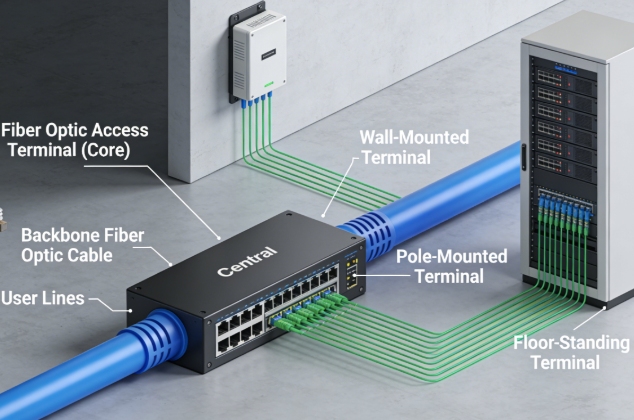
Key Functions of a Fiber Access Terminal
In a fiber optic network, a fiber access terminal plays a critical role in performing multiple functions:
- Fiber Distribution: It organizes and distributes optical fibers from the main line to multiple subscriber lines, ensuring a clean and manageable network layout.
- Protection: The terminal protects delicate optical fibers from environmental hazards such as moisture, dust, and physical damage.
- Signal Management: By minimizing signal loss and reflection, it maintains the quality and stability of data transmission across the network.
- Ease of Maintenance: Terminals allow for easier testing, troubleshooting, and future network expansion without disrupting existing connections.
These features make fiber access terminals indispensable in both residential and commercial fiber deployments, particularly in FTTH (Fiber-to-the-Home) networks.
Types of Fiber Access Terminals
There are several types of fiber access terminals designed to meet different deployment needs:
- Wall-Mount Terminals: Ideal for indoor environments, these compact terminals are easy to install and maintain.
- Pole-Mount Terminals: Designed for outdoor use, they can withstand harsh weather conditions and are commonly deployed in urban and suburban areas.
- Pedestal Terminals: Suitable for high-density fiber networks, these terminals provide easy access for multiple subscriber connections and network expansions.
Choosing the right type of terminal depends on the network size, location, and expected growth, ensuring that both performance and reliability are optimized.
Benefits of Using a Fiber Access Terminal
Implementing fiber access terminals brings several advantages for network operators and end-users:
- Enhanced Network Performance: Properly installed terminals reduce signal loss and ensure faster, more stable connectivity.
- Scalability: Terminals make it easier to add new subscribers or upgrade existing networks without major infrastructure changes.
- Reduced Maintenance Costs: Centralized fiber management lowers the risk of damage and simplifies troubleshooting.
- Improved User Experience: Reliable connections and high-speed data transmission enhance satisfaction for both residential and business users.
These advantages highlight that fiber optic access terminals are a crucial investment for any modern network deployment.
Installation Best Practices
To maximize the efficiency and lifespan of a fiber access terminal, consider these best practices:
- Proper Environment Selection: Ensure the terminal is installed in a protected environment away from extreme temperatures or direct exposure to sunlight.
- Organized Fiber Management: Label and route fibers systematically to prevent tangling and facilitate maintenance.
- Regular Inspections: Periodically check terminals for physical damage or moisture intrusion to maintain optimal performance.
- Use Quality Components: High-quality connectors and cables reduce signal degradation and increase overall network reliability.
Implementing these recommendations helps maintain a stable network and increases the durability of the docking station.
Conclusion
A fiber access terminal is more than just a junction point in a fiber optic network; it is a critical component that ensures reliable, high-speed connectivity while simplifying network management. By understanding its functions, types, and benefits, businesses and network operators can make informed decisions that optimize their fiber deployments. Proper installation and maintenance of fiber access terminals not only enhances network performance but also improves user satisfaction, making them an essential investment for any modern network infrastructure.