

break-out cables are essential components in many electrical and communication systems, providing efficient methods for connecting multiple devices or circuits. Understanding how to use them correctly is crucial for ensuring reliability and performance. In this guide, we will explore the use of these cables, their various types, applications, and installation tips to help you maximize their potential.
What is a break-out cable?
A break-out cable, also known as a fan-out cable, is a type of multi-conductor cable that splits into multiple individual wires at one end. It is commonly used in networking, telecommunications, and industrial applications, where there is a need to connect several devices to a central point. The purpose of these cables is to route multiple signals or connections from a larger consolidated cable to individual points.
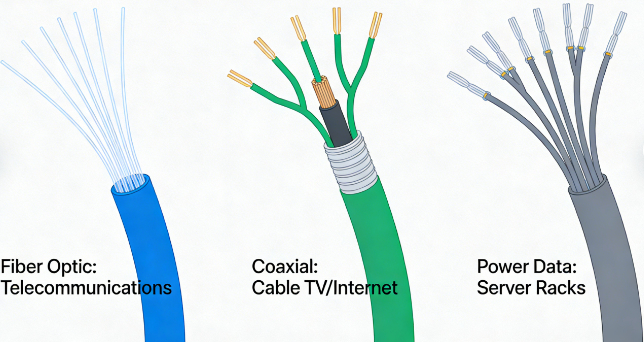
Types of break-out cables
break-out cables come in different types, depending on their intended application. Among the most commonly used types are:
- Fiber Optic Cables: Used in high-speed data transmission systems, fiber optic breakouts are designed to handle optical fibers and their individual connectors. They ensure a reliable connection and reduce signal attenuation.
- Coaxial Cables: These cables are mainly used in television and internet systems, where coaxial connections are required. break-out cables help separate and route multiple coaxial signals individually.
- Power and Data Distribution Cables: These cables are used in industrial and commercial applications to distribute both power and data. They typically feature multiple power conductors along with data transmission wires, making them versatile for equipment like industrial machinery and control systems.
How to Install break-out cables
Installing a break-out cable correctly is essential for optimal performance. The following is a step-by-step guide designed to ensure a smooth installation process:
- Prepare the Area: Ensure the installation area is clear, and you have all necessary tools, such as cable cutters, crimping tools, and appropriate connectors.
- Plan the Routing: Determine where the cable will be connected and plan the routing carefully. Make sure there is enough space for the cable to expand and reach the correct devices.
- Strip the Cable: Use a cable stripper to remove the outer insulation. Please be careful; do not damage the internal wires. Once stripped, you’ll expose the conductors that will be split and connected.
- Fan Out the Cables: Gently separate the individual wires from the central cable. If necessary, use protective coverings or a cable management system to keep them organized.
- Connect the Wires: Attach the exposed wires to the appropriate connectors, ensuring each wire is securely crimped or connected to its corresponding terminal or device.
- Test the Connections: After installation, test all connections to ensure they work properly. Look for loose connections, signal loss, or issues with power delivery.
Applications of break-out cables
break-out cables are widely used in various industries. Their applications include:
- Data Centers: In data centers, break-out cables are used to connect servers, routers, and other equipment, ensuring efficient signal distribution and minimal downtime.
- Telecommunication Systems: These cables are commonly found in telecommunication networks, enabling multiple connections through a single cable, which helps in stable communication and data transfer.
- Audio and Video Systems: In high-quality audio or video setups, break-out cables distribute multiple signals from a single cable, helping reduce clutter and streamline the setup process.
- Industrial Automation: In factories and industrial environments, break-out cables are used to distribute power and data to various machines and devices, organizing wiring and ensuring proper system operation.
Benefits of Using break-out cables
- Space-Saving: break-out cables consolidate multiple wires into one cable, reducing the need for excessive wiring and keeping setups clean and organized.
- Improved Efficiency: These cables help improve the efficiency of signal transmission and power distribution by reducing the complexity of individual connections.
- Versatility: Whether for power, data, or signal transmission, break-out cables can be customized for different applications, making them highly versatile for various industries.
- Reduced Signal Interference: By using well-organized cables, the chance of signal interference is minimized, ensuring more stable and reliable system performance.
Conclusion
break-out cables play a vital role in simplifying complex wiring systems by enabling efficient and organized connections. Proper installation and understanding of the various types and applications are key to utilizing them effectively. Whether in networking, telecommunications, or industrial sectors, these cables offer significant benefits such as space savings, improved efficiency, and enhanced signal integrity. By following the correct installation steps and using the appropriate cable for your needs, you can ensure that your systems operate reliably and efficiently.