

In modern manufacturing, downtime on a packaging line can have a major impact on productivity, revenue, and overall operational efficiency. Even brief stoppages can disrupt the entire workflow, delay shipments, and increase labor costs. Businesses that fail to address downtime risk fall behind competitors with faster, more reliable production lines. Reducing downtime is therefore essential for companies seeking efficiency, reliability, and profitability. By identifying the main causes of downtime and implementing targeted solutions, manufacturers can optimize their packaging line operations and ensure smoother production cycles.
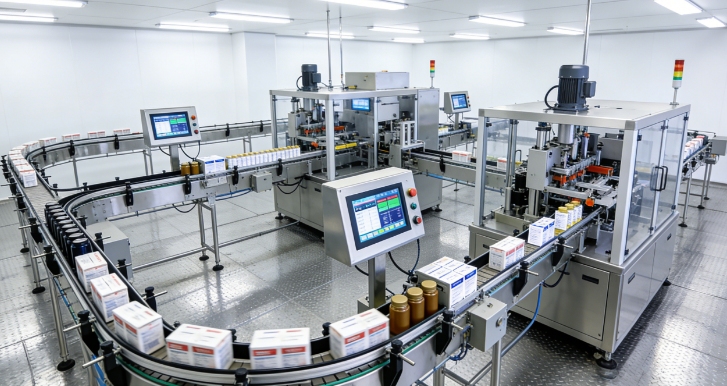
Identify and Address Common Mechanical Issues
Mechanical failures are among the most frequent causes of downtime on a packaging line. Machines that are worn, misaligned, or poorly maintained can stop unexpectedly, leading to production delays.
- Preventive Maintenance Programs: Scheduling regular inspections and lubrication for all machinery ensures components remain in optimal condition. For example, checking conveyor belts weekly can prevent slippage that would halt the line.
- Timely Component Replacement: Parts such as gears, motors, and bearings wear over time. Replacing them proactively, rather than waiting for failure, avoids unplanned downtime.
- Advanced Monitoring Sensors: Installing vibration, temperature, and pressure sensors can alert operators to abnormalities early. Early detection of overheating motors or unusual vibrations allows corrective action before a machine fails.
- Regular Equipment Calibration: Misaligned filling heads, cappers, or labelers can lead to jams or mispacks. Periodic calibration ensures machines operate accurately, reducing stoppages caused by improper alignment.
Addressing mechanical issues systematically ensures your packaging line remains reliable and productive.
Optimize Operator Training and Workflow
Even the most advanced packaging line can suffer downtime if operators are not properly trained. Human error, slow responses to minor issues, or inefficient workflows can cause unnecessary stoppages.
- Comprehensive Training Programs: Operators should learn standard operating procedures, troubleshooting steps, and emergency responses. This empowers them to quickly resolve problems.
- Visual Work Instructions: Posting step-by-step guides or using digital screens on the line reduces confusion and errors during operations.
- Cross-Training Staff: Having multiple operators trained on the same equipment ensures coverage during absences or peak demand periods.
- Regular Skill Assessments: Periodic evaluations help identify gaps in knowledge, allowing targeted retraining to prevent mistakes that could halt production.
A well-trained workforce can reduce downtime significantly by preventing errors and responding swiftly when issues occur.
Implement Smart Monitoring Systems
Modern technology allows manufacturers to reduce downtime on a packaging line through real-time monitoring and predictive analytics.
- Real-Time Data Analytics: Continuous tracking of production speed, error logs, and machine status helps identify bottlenecks and inefficiencies. For instance, monitoring line speed can alert supervisors if output drops before it becomes a critical issue.
- Predictive Maintenance Tools: Leveraging AI and historical data, predictive systems forecast potential machine failures, allowing maintenance before a breakdown occurs.
- Remote Monitoring Capabilities: Supervisors can access machine data from anywhere, enabling quick decision-making and rapid responses to emerging problems.
- Integration with ERP Systems: Connecting line data with enterprise resource planning allows better scheduling of maintenance and resources, reducing unexpected interruptions.
By adopting smart monitoring technologies, manufacturers can move from reactive to proactive downtime management.
Standardize Maintenance and Spare Parts Management
Downtime is often prolonged due to disorganized maintenance processes or missing spare parts. Standardizing these systems can significantly reduce response times and restore production quickly.
- Organized Spare Parts Inventory: Maintain a well-stocked inventory of critical components, such as belts, motors, and sensors, to avoid waiting for deliveries during repairs.
- Documented Repair Procedures: Clear, step-by-step repair instructions reduce confusion and speed up troubleshooting.
- Scheduled Maintenance Audits: Regularly reviewing equipment conditions and inventory ensures readiness for unexpected breakdowns.
- Emergency Response Plans: Establish protocols for rapid repair or replacement of faulty components to minimize line stoppages.
Efficient maintenance and parts management allow the packaging line to resume operation quickly after minor or major issues.
Conclusion
Reducing downtime on a packaging line requires a combination of proactive maintenance, skilled operators, smart monitoring, and efficient processes. By addressing mechanical failures, training staff effectively, integrating real-time monitoring systems, and standardizing maintenance and spare parts management, manufacturers can enhance line reliability, maximize output, and lower operational costs. A well-maintained, efficiently operated packaging line not only meets production goals but also provides a competitive advantage in the market, ensuring businesses can deliver products on time while maintaining high-quality standards.