

The ligustrum tree is a widely planted ornamental species known for its fast growth, dense foliage, and strong adaptability. It is commonly used in gardens, urban landscapes, and hedge designs because it can quickly form privacy screens and decorative borders. One of the most important questions for gardeners and landscapers is whether the ligustrum tree can survive in different climate conditions. In general, it is considered a highly adaptable plant, capable of thriving in a wide range of environments. However, its performance still depends on temperature, soil type, sunlight exposure, and moisture levels. Understanding these factors is essential for ensuring healthy growth across various regions.
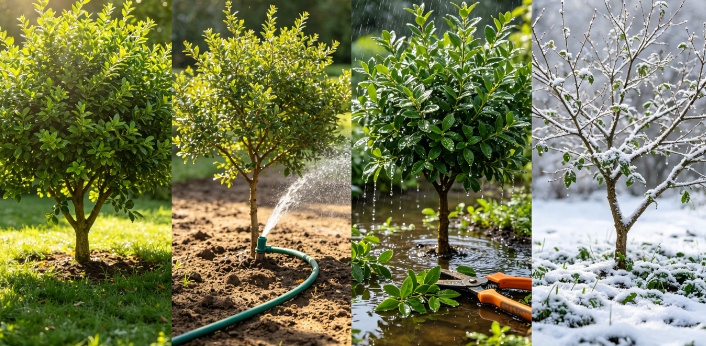
Temperature Tolerance and Climate Adaptability
One of the key reasons the ligustrum tree is so popular is its ability to tolerate different temperature ranges. It performs well in both warm and moderately cool climates, making it suitable for many geographic areas.
Its temperature adaptability can be understood through the following aspects:
- Warm climate performance
In warm climates, this plant grows rapidly and produces a lush cluster of green leaves, particularly when exposed to abundant sunlight throughout the year. - Cold resistance capability
It can withstand mild frosts and brief periods of low temperatures, although prolonged freezing temperatures may slow its growth or cause localized leaf damage. - Seasonal adjustment behavior
During colder months, growth naturally slows down, allowing the plant to conserve energy and recover in spring. - Heat endurance
In high-temperature environments, it remains stable as long as watering is properly managed.
Overall, the ligustrum tree shows strong flexibility in adapting to temperature fluctuations, making it suitable for multi-climate landscaping projects.
Soil Conditions and Water Requirements in Different Regions
Soil and moisture play a crucial role in determining how well the ligustrum tree adapts to different climates. While it is not overly demanding, optimal conditions significantly improve its growth quality.
Key considerations include:
Drainage and Soil Structure
- The plant prefers well-drained soil to prevent water accumulation around the roots.
- Sandy or loamy soils are ideal; however, provided that drainage conditions are improved, it can also survive in clay soil.
Watering Needs Across Climates
- In dry climates, frequent irrigation is necessary to maintain leaf vitality.
- In humid climates, natural rainfall often provides sufficient moisture, but overwatering should be avoided.
Nutrient Adaptation
- The plant can grow in nutrient-poor soil but responds better when organic fertilizer is added during active growth seasons.
Root Health Sensitivity
- Excess moisture in poorly drained soil can lead to root problems, especially in rainy regions.
These soil conditions play a key role in how successfully plants adjust to different environmental conditions.
Light Exposure and Environmental Stress Resistance
Light and environmental conditions also influence the survival and appearance of the ligustrum tree across different climates.
Important environmental traits include:
- Sunlight adaptability
It grows best in full sun but can tolerate partial shade, although density may be reduced. - Urban environment resistance
The plant performs well in cities, handling air pollution and dust better than many other ornamental species. - Wind tolerance
Flexible branches allow it to withstand moderate wind exposure without significant damage. - Heat and drought response
In hot climates, leaves may slightly reduce water loss by adjusting transpiration levels.
These characteristics make the privet tree highly suitable for use in country gardens and urban landscape projects.
Growth Behavior in Different Climate Zones
The growth pattern of the ligustrum tree varies depending on regional climate conditions. Its adaptability allows it to adjust growth speed and density naturally.
Typical performance across climate zones:
| Climate Type | Growth Characteristics | Maintenance Level |
| Warm temperate | Fast, dense, vigorous growth | Frequent pruning required |
| Hot dry regions | Slower growth, drought stress risk | Regular watering essential |
| Humid regions | Strong growth, higher disease risk | Good airflow needed |
| Mild cold regions | Seasonal dormancy in winter | Minimal winter care |
This variation shows that while the plant is adaptable, proper care must match environmental conditions to ensure optimal results.
Maintenance Strategies for Climate Adaptation
To help the ligustrum tree survive and thrive in different climates, proper maintenance practices are essential. Adjusting care methods according to environmental conditions ensures long-term health.
Effective strategies include:
- Seasonal pruning control
Regular trimming maintains shape and encourages denser foliage, especially in warm climates where growth is faster. - Water management adjustments
Increase watering during dry seasons and reduce it in rainy periods to prevent root damage. - Fertilization scheduling
Apply nutrients during active growing seasons to strengthen resilience against climate stress. - Protective measures in extreme weather
In cold regions, covering helps protect the root systems, whereas in extremely hot regions, appropriate shading can alleviate the stress experienced by the plants.
With proper management, the plant can adapt more easily to environmental changes.
Conclusion
Privet is a highly adaptable ornamental plant capable of surviving in a wide range of climatic conditions, including warm, temperate, and moderately cold environments. Its flexibility in temperature tolerance, soil adaptability, and environmental resistance makes it a popular choice for landscaping worldwide. Although extreme conditions may require additional care, such as proper watering, pruning, and seasonal protection, the plant generally performs well when basic requirements are met. With suitable maintenance strategies, it can remain healthy and visually appealing across different regions, making it a reliable option for both residential and commercial landscape design.